


If your dog turns into a rocket the second they finish dinner… listen up! Exercising after eating isn’t just a quirky habit, it can put their health at risk.
From digestive upset to more serious conditions like bloat, what happens after your dog eats matters just as much as what’s in their bowl.
Quick Take
Dogs should rest for at least 1–2 hours after eating to support proper digestion and reduce the risk of bloat known as Gastric Dilatation-Volvulus (GDV). Exercising too soon can interfere with digestion and, in severe cases, become life-threatening. A simple routine shift can make all the difference.
Why shouldn’t dogs exercise after eating?
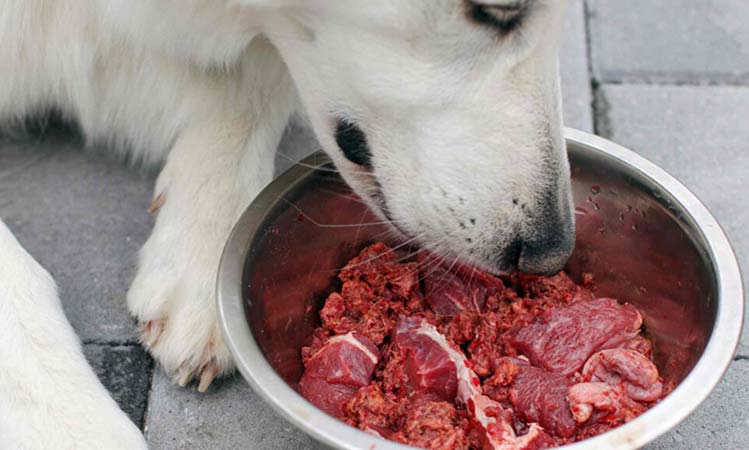
Dogs shouldn’t exercise after eating because physical activity disrupts digestion and increases the risk of bloat, where the stomach fills with gas and can twist. This can quickly become a medical emergency if not treated.
When your dog eats, their body redirects blood flow to the digestive system. Add running, jumping, or rough play, and it’s like shaking up a full washing machine mid-cycle.
What’s happening inside your dog?
- The stomach is full and expanded
- Digestion is actively underway
- Movement increases gas and pressure
- Twisting becomes a real risk
Large breeds are more prone, but truthfully, no dog is completely off the hook here.

What is bloat in dogs and why is it dangerous?
Bloat is a life-threatening condition where the stomach fills with gas and may twist, cutting off blood flow and trapping contents inside. Without urgent veterinary care, it can become fatal within hours.
Signs of bloat to watch for:
- Swollen or tight abdomen
- Trying to vomit but nothing comes up
- Excessive drooling
- Restlessness or pacing
- Rapid breathing or distress
If you notice these signs, don’t wait, get to a vet immediately.
How long should a dog rest after eating?
Dogs should rest for at least 1–2 hours after eating before any exercise or high-energy activity. This allows digestion to occur safely and reduces the risk of complications.
Think of it this way, after a big meal, your dog’s body is in “digest mode,” not “zoomie mode.”
The PetWell “Move, Feed, Rest” Rule
Dogs thrive on rhythm and when it comes to digestion, timing is everything.
Move → Feed → Rest
It’s simple, but it works.
- Move first → burn energy, stimulate appetite
- Feed second → fuel the body
- Rest last → allow proper digestion
This is the safest, most natural flow for your dog’s body, and one of the easiest ways to prevent issues like bloating or discomfort.
Why is this so easy to get wrong?
Because real life with dogs isn’t always calm and perfectly timed.
Dogs get excited around food. Owners feel guilty not engaging. And sometimes… zoomies just happen.
The common traps:
- Feeding right before a walk
- Playing fetch straight after dinner
- Letting high-energy dogs self-regulate (they won’t 😅)
We see this all the time, especially with energetic breeds who go from zero to chaos in seconds.
And here’s the thing… it’s not about being perfect. It’s about being consistent enough to keep them safe.
How can I prevent digestive issues after meals?
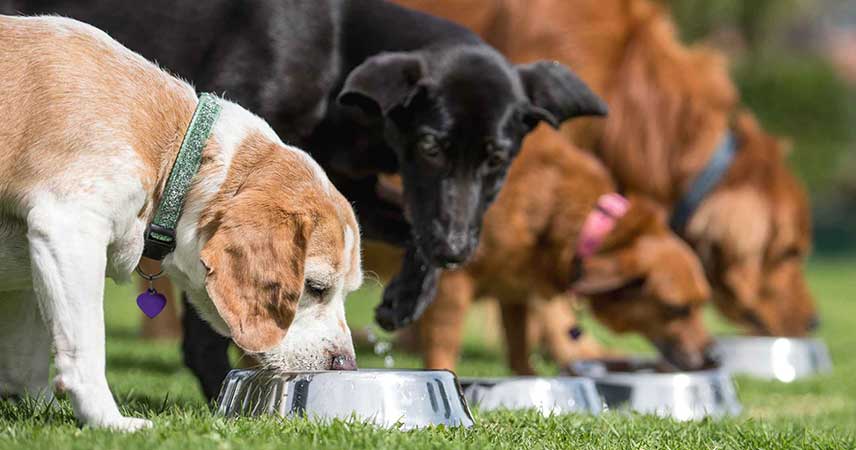
You can reduce the risk of digestive upset or bloat by creating a simple, structured routine that supports both digestion and behaviour.
Easy wins most dog parents overlook:
- Feed smaller, more frequent meals
- Use slow feeder bowls for fast eaters
- Avoid large gulps of water around meals
- Create a calm post-meal environment
And importantly, support their gut so digestion runs smoothly in the first place.
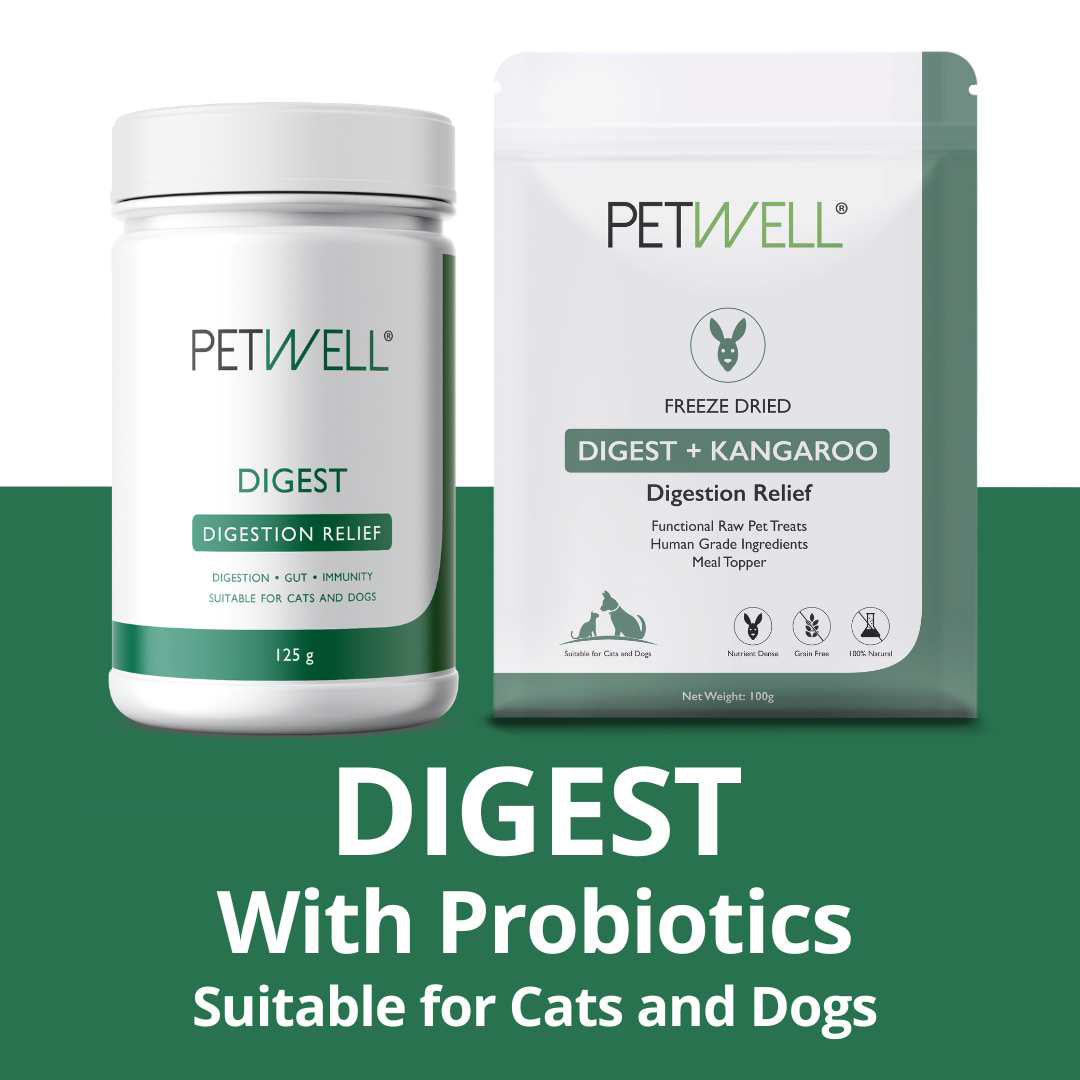
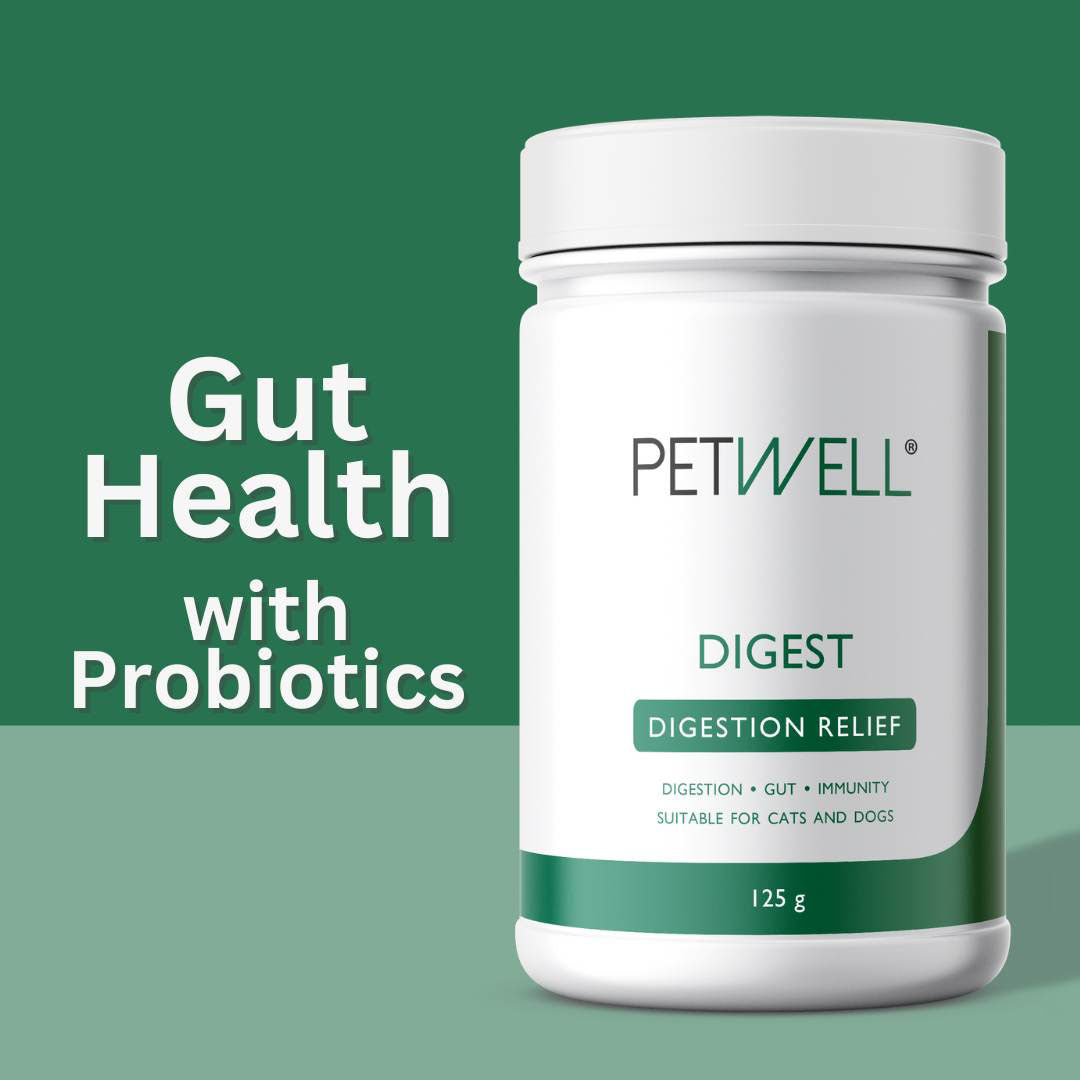
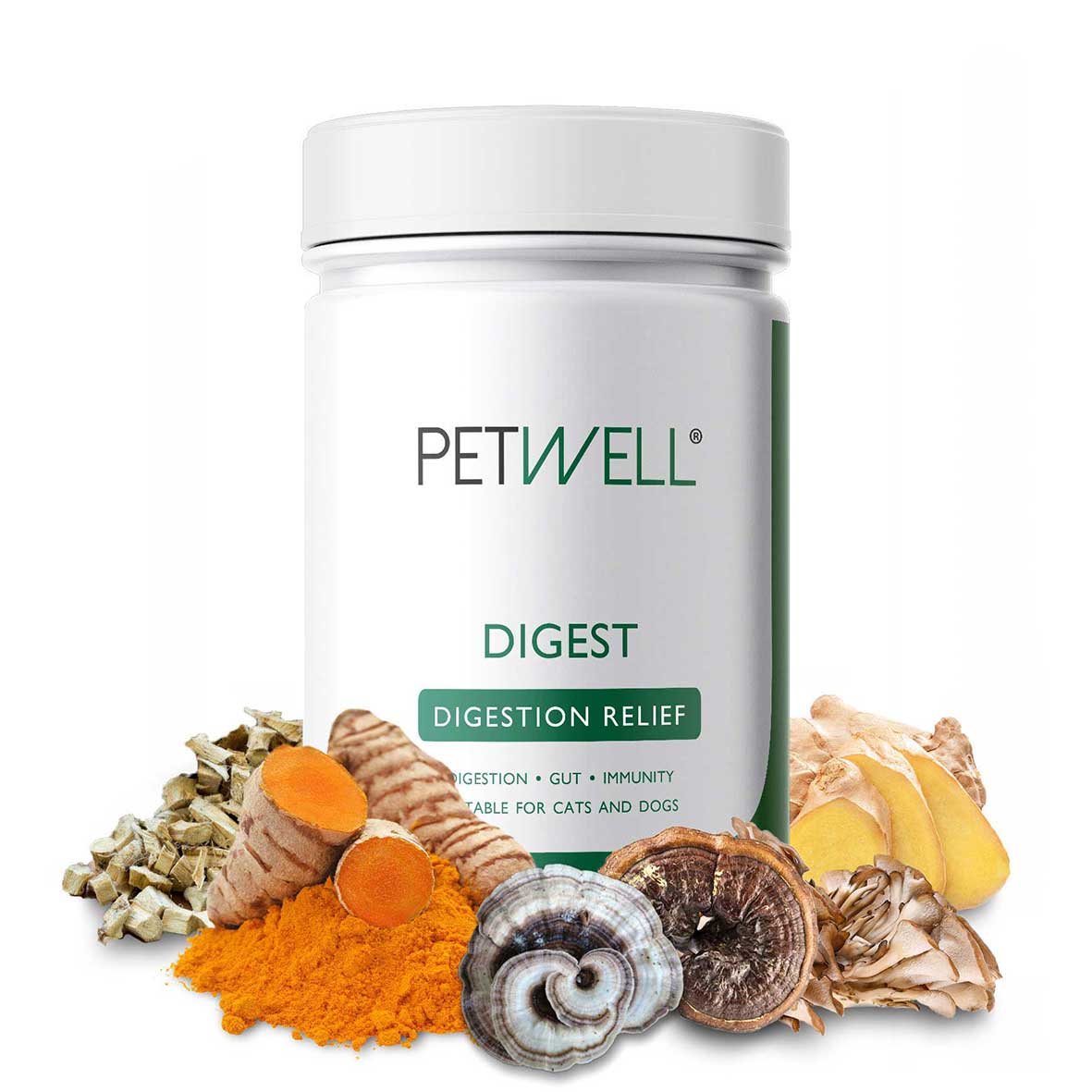
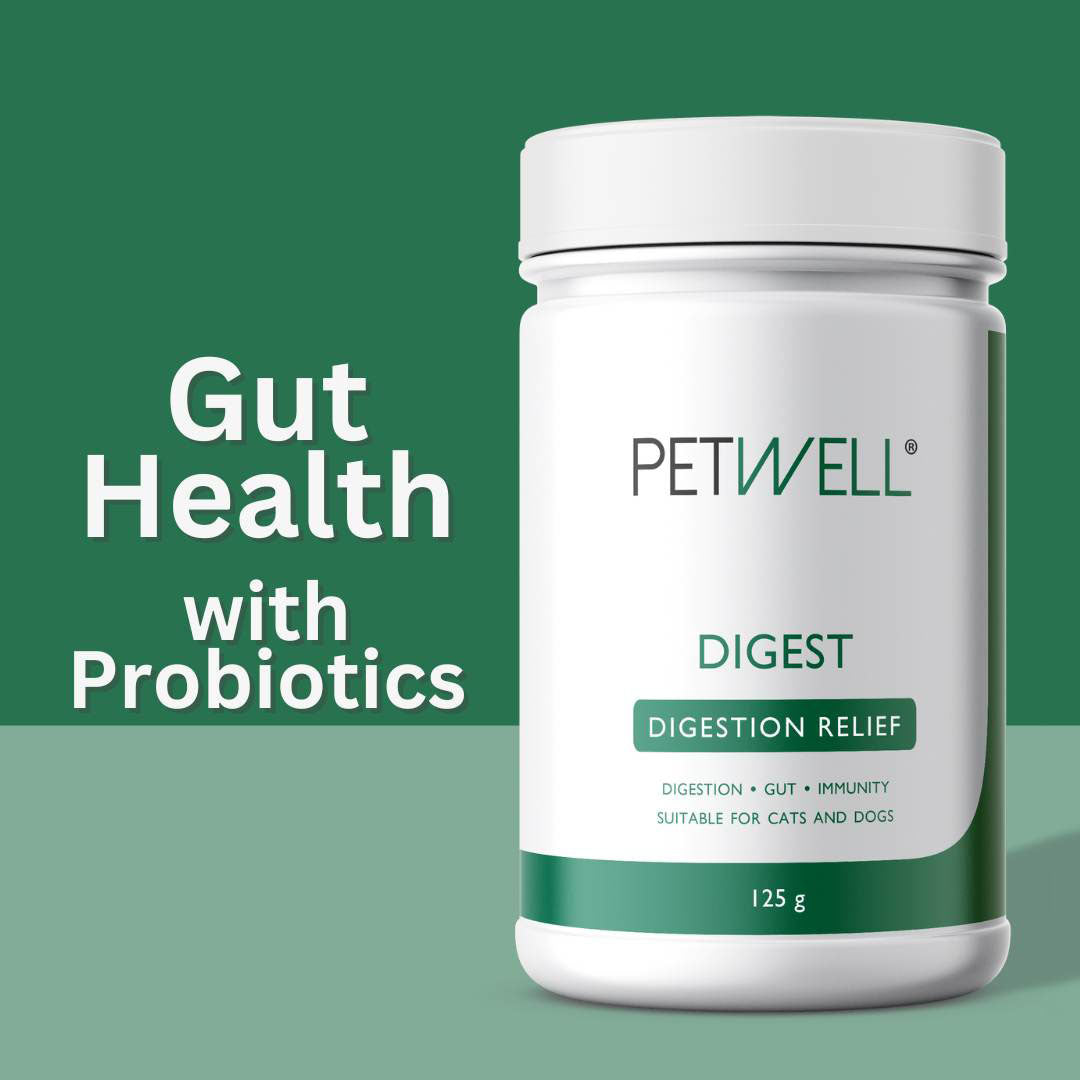
If your dog has a sensitive tummy or tends to get uncomfortable after meals, a gentle gut support like PetWell DIGEST can help maintain a healthy digestive environment.
Read more about Common Dog Health Problems & Natural Remedies
What’s the best daily routine for feeding and exercise?
The best routine follows your dog’s natural biological rhythm, not just convenience.
A simple, safe daily flow:
Morning
- Walk or exercise first
- Breakfast
- Rest time
Evening
- Light activity
- Dinner
- Wind-down mode
This rhythm doesn’t just support digestion, it helps regulate behaviour, energy, and overall wellbeing.
Can supplements help support digestion and calm?
Yes, the right nutritional support can help maintain healthy digestion and encourage a calmer state after meals.
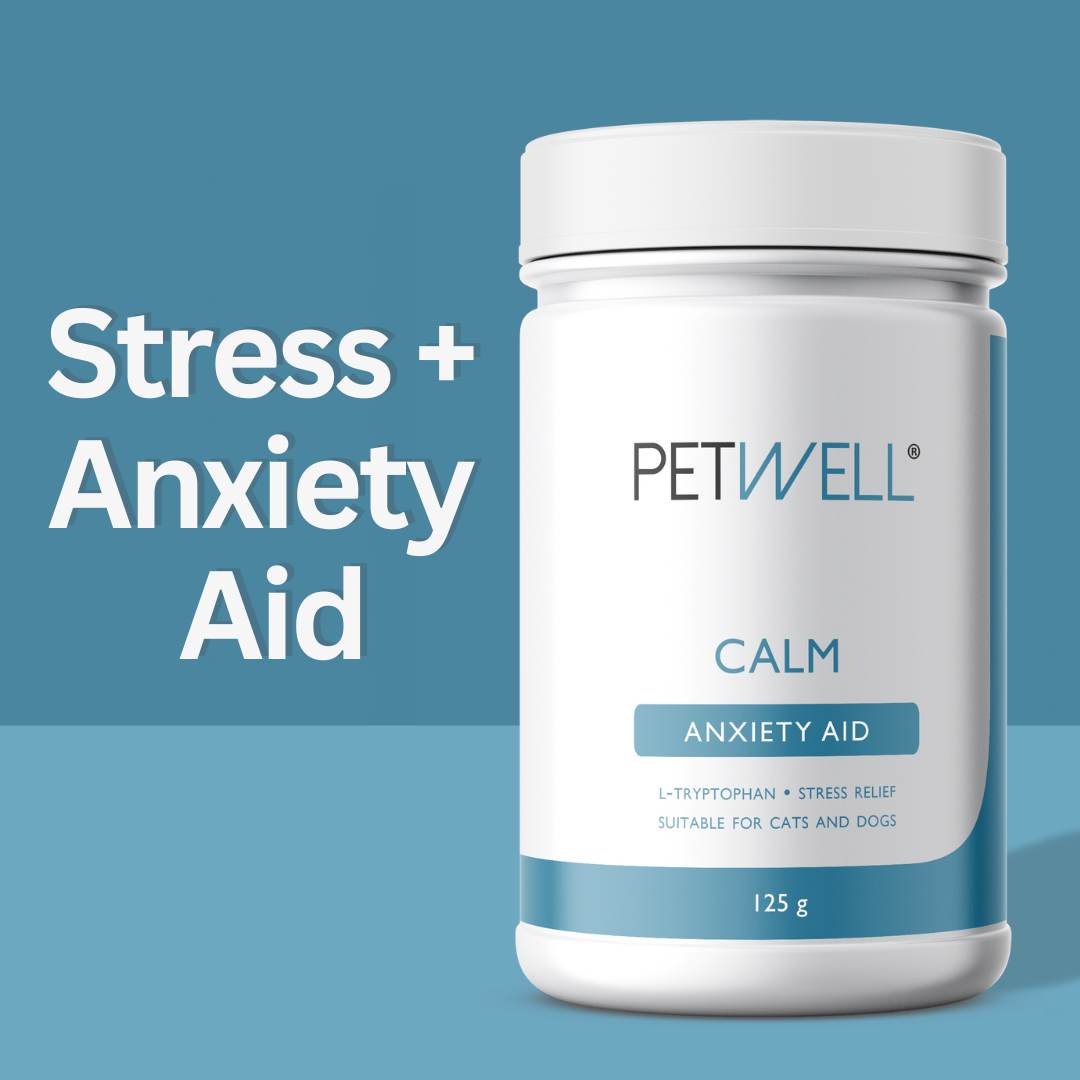
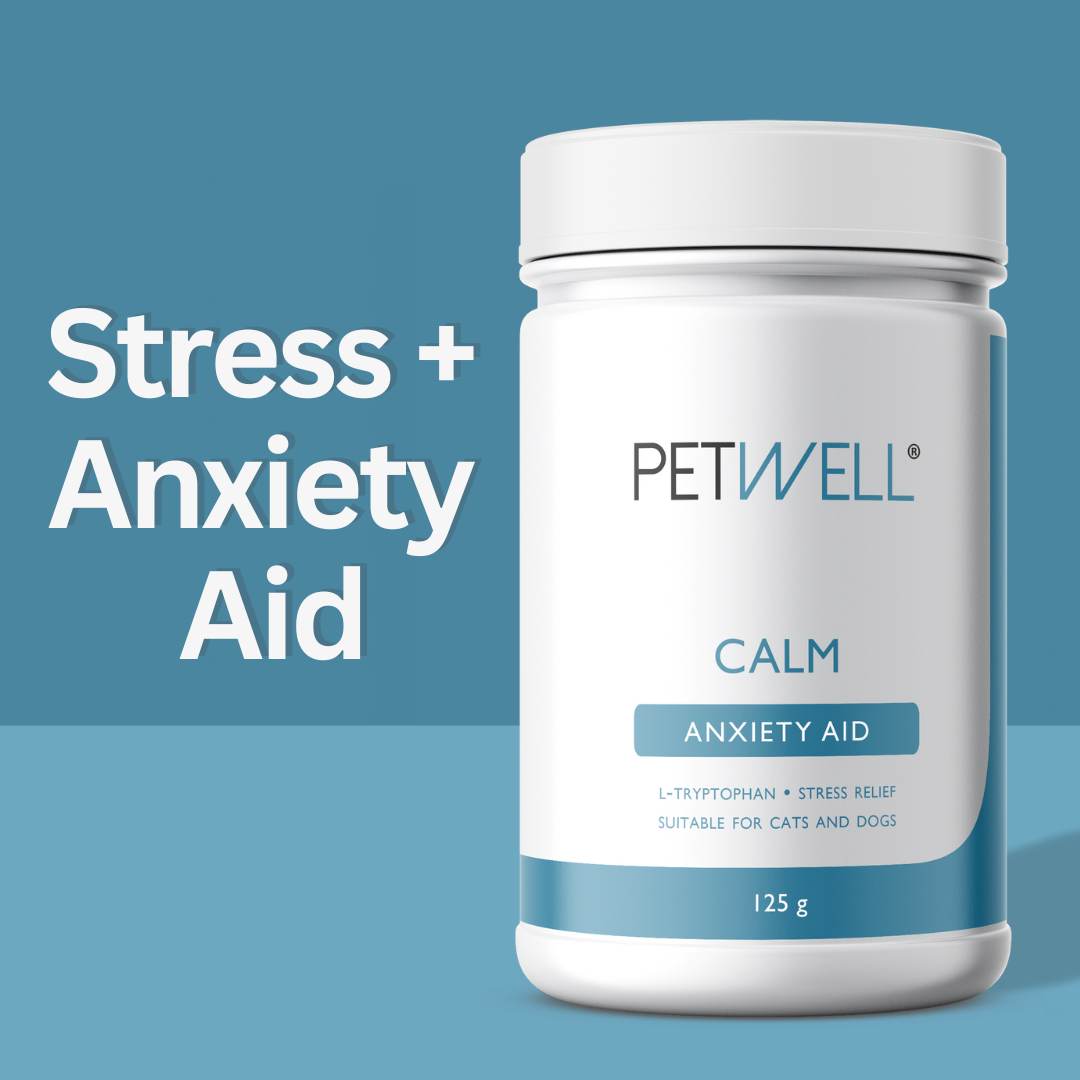
A gut-support formula like PetWell DIGEST helps support digestive balance, while something like PetWell CALM can gently support relaxation for dogs who struggle to switch off.
It’s not about stopping behaviour, it’s about helping their body settle naturally.
Read more on the best supplements to add to dog food

What should I do if my dog runs after eating?
If your dog exercises after eating, monitor them closely for any signs of discomfort or bloat. Not every instance will cause issues, but early awareness is key.
Watch for:
- Behaviour changes
- Signs of discomfort
- Abdominal swelling
- Restlessness or distress
If anything feels off, trust your instincts and contact your vet.
FAQs
Can dogs go for a walk after eating?
It’s best to wait at least 1–2 hours before walking your dog after eating. Gentle movement may be okay but avoid anything energetic.
Is it ever safe for dogs to exercise after meals?
Light activity may be tolerated, but vigorous exercise should always be avoided after eating.
What dogs are most at risk of bloat?
Large, deep-chested breeds like German Shepherds, Great Danes, and Boxers are more susceptible, but any dog can be affected.
Does drinking water after eating cause bloat?
Drinking excessive amounts quickly may contribute to bloating. Offer small amounts regularly instead.
How can I calm my dog after meals?
Create a consistent wind-down routine, calm space, enrichment, and gentle support if needed.
“A calm dog after meals isn’t just good behaviour, it’s good health.”
In Summary
This isn’t about overcomplicating things, it’s about small habits that protect your dog long-term.
Let them move.
Feed them well.
Then let them rest.
Simple. Safe. Keeping Your PetWell.
Disclaimer: The entire contents of PetWell emails and website are not to be taken as medical advice. The team at Pet Squad Pty Ltd trading as PetWell encourages you to make your own pet health care decisions based on your research and in partnership with a qualified pet healthcare professional.
This article was prepared by the team at PetWell. Australia’s trusted provider of natural, human-grade pet supplements and freeze-dried treats for dogs and cats. Drawing on holistic animal behaviour insights and years of working with canine clients, PetWell champions kind, calm and scientifically informed solutions for every pet parent.
Posted By Ayda Hornak - Trained in Canine Psychology and Natural Animal Nutrition Care.