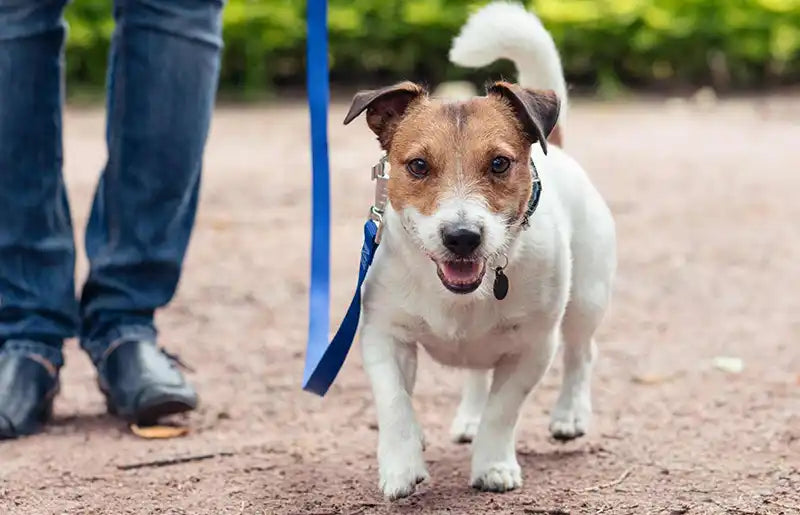
Dog socialisation isn’t about throwing your dog into busy situations and hoping they “get used to it”.
At PetWell, we believe socialisation should feel safe, gradual, and confidence-building for your dog and for you.
When done well, socialisation helps dogs move through the world calmly, understand boundaries, and cope with everyday life without fear running the show. When it’s rushed or missed altogether, that’s when we see anxiety, reactivity, and stress behaviours creep in.
Let’s break it down properly, without overwhelm, judgement, or outdated training advice.
Dog Socialisation, the PetWell Way
Our beliefs around socialising dogs;
✔️ Socialisation is about positive exposure, not forced interaction
✔️ Calm dogs learn better than overwhelmed dogs
✔️ Socialisation is lifelong - not just for puppies
✔️ Emotional support + training = better outcomes
What Is Dog Socialisation?
Dog socialisation is the process of gently exposing your dog to:
✔️ New people (including kids and strangers)
✔️ Other dogs and animals
✔️ Different environments, sounds, surfaces, and situations
The goal isn’t to make your dog love everything, it’s to help them feel safe and neutral, rather than fearful or reactive.
Many dogs that are labelled as “difficult” or “aggressive” are anxious and under-socialised. They’re not misbehaving, they’re trying to protect themselves in situations they don’t yet understand.
Socialising your dog enables them to experience a life of confidence while learning boundaries that ensure their safety
When Should You Start Socialising Your Dog?
Puppy Socialisation
The ideal window for puppy socialisation is between 3 and 16 weeks of age, when puppies are most open to learning what’s safe in the world.
Adult Dog Socialisation
If your dog missed early socialisation, don’t panic. Adult dogs can absolutely learn, it just takes:
✔️ Slower pacing
✔️ Consistency
✔️ Positive reinforcement
✔️ Patience (with yourself included)
Socialisation is not a one-and-done task. It’s an ongoing part of raising a balanced, confident dog.
PetWell Dog Socialisation Tips That Work
- Start Small and Stay Kind -Quiet streets before busy parks. One calm dog before group play. Small wins matter.
- Make Every Experience Positive - Use treats, praise, toys, and encouragement to create positive associations. If your dog is stressed, learning stops.
- Gradual Exposure Beats “Just Push Through” - Flooding dogs with too much too soon often backfires. Build confidence layer by layer.
- Keep Interactions Controlled - Leads, harnesses, and safe spaces help prevent negative experiences that can set socialisation back.
- Expose Your Dog to a Variety of People - Different ages, voices, movements, and appearances help prevent fear of the unfamiliar.
- Change Up Environments - Parks, footpaths, grass, concrete, shops, stairs, variety builds confidence everywhere.
- Choose Dog Friends Wisely - Well-socialised, calm dogs teach better manners than chaotic group encounters.
- Desensitise Common Triggers - Cars, bikes, prams, loud noises, start at a distance and reward calm behaviour.
- Stay Calm, Your Dog Feels It - Dogs read us constantly. Your relaxed energy tells them they’re safe.
- Be Consistent - Regular, positive exposure prevents regression and builds trust over time.
Supporting Anxious Dogs During Socialisation
Some dogs feel the world more deeply and that’s not a flaw.
For dogs that struggle with anxiety, learning social skills can be harder because their nervous system is already on high alert. That’s where gentle emotional support can make a real difference.
At PetWell, we often recommend pairing training with natural calming support:
PetWell CALM Stress Support Supplement
CALM + TURKEY Functional Calming Treats

These are designed to help take the edge off stress without sedation, so your dog can stay present, receptive, and ready to learn.
They work beautifully alongside:
✔️ Positive dog training techniques
✔️ Clear boundaries
✔️ Calm, consistent routines
Think of it as supporting your dog’s emotional regulation while they build confidence. Read more about Dog Anxiety: Causes, Symptoms & Solutions
What Can Happen If a Dog Isn’t Socialised?
Dogs that miss out on socialisation may experience:
- Fear and Anxiety - New environments, people, or dogs can trigger stress responses.
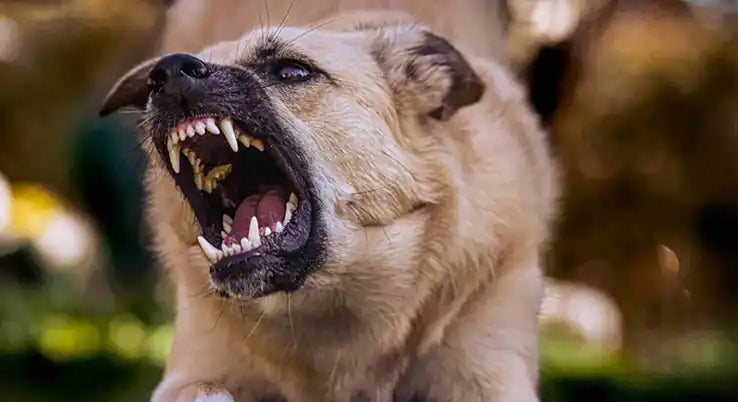
- Reactivity and Aggression - Often fear-based, barking, lunging, growling, or snapping as a defence.
- Poor Communication Skills - Difficulty reading dog or human cues, leading to misunderstandings.
- Training Difficulties - Focusing in stimulating environments becomes challenging.
- Vet and Grooming Stress - Routine care can feel overwhelming and traumatic.
- Reduced Quality of Life - Avoiding outings, adventures, and enrichment limits happiness and confidence.
Socialisation isn't a one-time process; it's an ongoing effort throughout a dog's life
Can Unsocialised Dogs Be Helped?
Yes, absolutely.
With patience, positive reinforcement, gradual exposure, and (when needed) professional guidance, many dogs make incredible progress, even later in life.
Socialisation isn’t about perfection. It’s about progress, trust, and emotional safety.
FAQ’s
Q. What is dog socialisation and why is it important?
A. Dog socialisation is the gradual, positive exposure of a dog to people, animals, environments, and everyday experiences. It helps dogs feel safe, confident, and calm, reducing anxiety, reactivity, and fear-based behaviours.
Q. How do you socialise an anxious dog?
A. Start slowly in low-stimulation environments, reward calm behaviour, avoid forced interactions, and gradually increase exposure. Supporting emotional regulation can help anxious dogs stay relaxed enough to learn.
Q. Is dog socialisation only for puppies?
A. No. Dogs can be socialised at any age. Adult dogs may need more time and patience, but positive, consistent exposure can significantly improve confidence.
Q. What happens if a dog isn’t socialised?
A. Unsocialised dogs may develop anxiety, fear, aggression, training difficulties, and stress during vet or grooming visits, reducing their overall quality of life.
Final Thoughts
Socialisation isn’t about creating a “perfect” dog. It’s about helping your dog feel safe, understood, and supported as they move through the world.
Go slowly. Celebrate small wins. And remember, calm dogs learn best.
If your dog needs a little extra emotional support along the way, PetWell’s CALM range is here to help.
Next Read: Dog Behaviour Problems & Natural Fixes
Disclaimer: The entire contents of PetWell emails and website are not to be taken as medical advice. The team at Pet Squad Pty Ltd trading as PetWell encourages you to make your own pet health care decisions based on your research and in partnership with a qualified pet healthcare professional.
This article was prepared by the team at PetWell. Australia’s trusted provider of natural, human-grade pet supplements and freeze-dried treats for dogs and cats. Drawing on holistic animal behaviour insights and years of working with canine clients, PetWell champions kind, calm and scientifically informed solutions for every pet parent.
Posted By Ayda Hornak - Trained in Canine Psychology and Natural Animal Nutrition Care